Archives
- 2026-02
- 2026-01
- 2025-12
- 2025-11
- 2025-10
- 2025-09
- 2025-03
- 2025-02
- 2025-01
- 2024-12
- 2024-11
- 2024-10
- 2024-09
- 2024-08
- 2024-07
- 2024-06
- 2024-05
- 2024-04
- 2024-03
- 2024-02
- 2024-01
- 2023-12
- 2023-11
- 2023-10
- 2023-09
- 2023-08
- 2023-07
- 2023-06
- 2023-05
- 2023-04
- 2023-03
- 2023-02
- 2023-01
- 2022-12
- 2022-11
- 2022-10
- 2022-09
- 2022-08
- 2022-07
- 2022-06
- 2022-05
- 2022-04
- 2022-03
- 2022-02
- 2022-01
- 2021-12
- 2021-11
- 2021-10
- 2021-09
- 2021-08
- 2021-07
- 2021-06
- 2021-05
- 2021-04
- 2021-03
- 2021-02
- 2021-01
- 2020-12
- 2020-11
- 2020-10
- 2020-09
- 2020-08
- 2020-07
- 2020-06
- 2020-05
- 2020-04
- 2020-03
- 2020-02
- 2020-01
- 2019-12
- 2019-11
- 2019-10
- 2019-09
- 2019-08
- 2019-07
- 2019-06
- 2019-05
- 2019-04
- 2018-11
- 2018-10
- 2018-07
-
pHi regulation in astrocytes has been examined primarily in
2021-11-20

pHi regulation in astrocytes has been examined primarily in cell culture rather than in situ. Two HCO3−-dependent transporters, NBC and Na+-driven Cl-HCO3 exchange (NDCBE), have been described [10,16], in addition to Cl-HCO3 anion exchange (AE) [96]. Culture studies indicate that NHE is the principa
-
The G protein coupled receptor GPR also called FFAR responds
2021-11-19
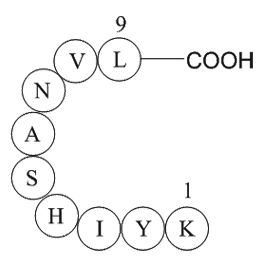
The G protein-coupled receptor, GPR40 (also called FFAR1) responds to medium and long chain unsaturated fatty acids, resulting in increase of insulin secretion during elevated glucose levels. The glucose dependency of insulin secretion makes this receptor a very good target for developing therapies
-
Much is known about FPPS structure and function
2021-11-19
Much is known about FPPS structure and function, with over 120 FPPS crystal structures being currently available. This wealth of information is largely the consequence of human FPPS serving as a drug target for the treatment and/or prevention of pathologies such as osteoporosis, hypercalcemia and Pa
-
The suboptimal trypsin selectivity profile of DPC
2021-11-19
The suboptimal trypsin selectivity profile of DPC423 prompted us to investigate additional P moieties for potency and selectivity. Glycinamide P () showed low nanomolar binding affinity against fXa which suggested that this P moiety sits deeper into the S pocket of fXa. To further elaborate on this
-
Introduction Inorganic arsenic InAs species such as arsenite
2021-11-19
Introduction Inorganic arsenic (InAs) species such as arsenite (AsIII) and arsenate (AsV) are present in groundwater. Arsenic contaminated drinking water is a global public health issue because of its natural prevalence and toxicity. Long exposure to arsenic results in chronic effect in humans, inc
-
Previous studies have established that phosphorylation of GC
2021-11-19
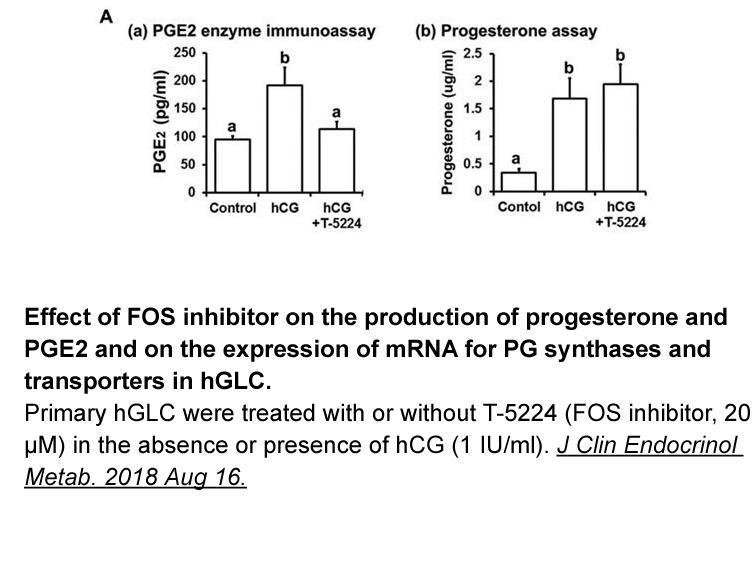
Previous studies have established that phosphorylation of GC-B is required for activation of GC-B. Conversion of all six chemically determined serine and threonine phosphorylation sites in GC-B to alanines produced a properly folded enzyme that retained GC activity under synthetic detergent activati
-
The eel and perhaps other euryhaline teleost fish have
2021-11-19
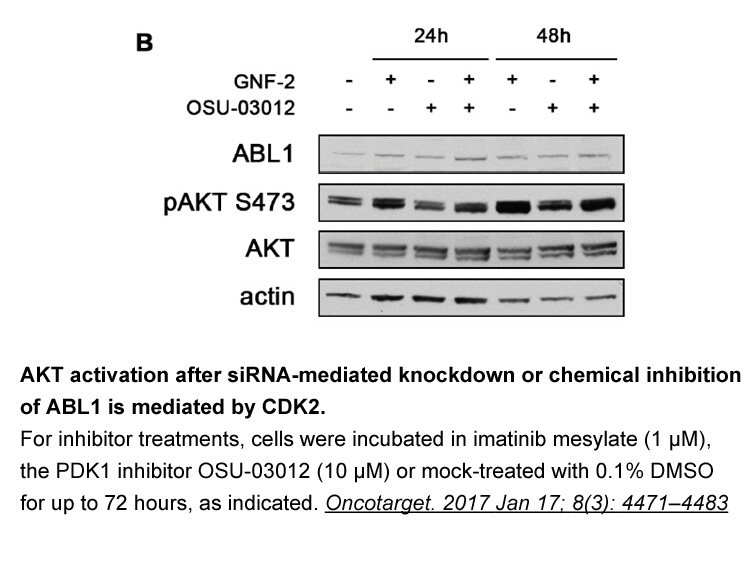
The eel, and perhaps other euryhaline teleost fish, have the additional peptide, renoguanylin that exhibits high levels of expression within the kidney as well as the intestine. In terms of overall sequence, pre-prorenoguanylin is more homologous to pre-proguanylin than pre-prouroguanylin and a phen
-
br Materials and methods br Results br Discussion To
2021-11-19
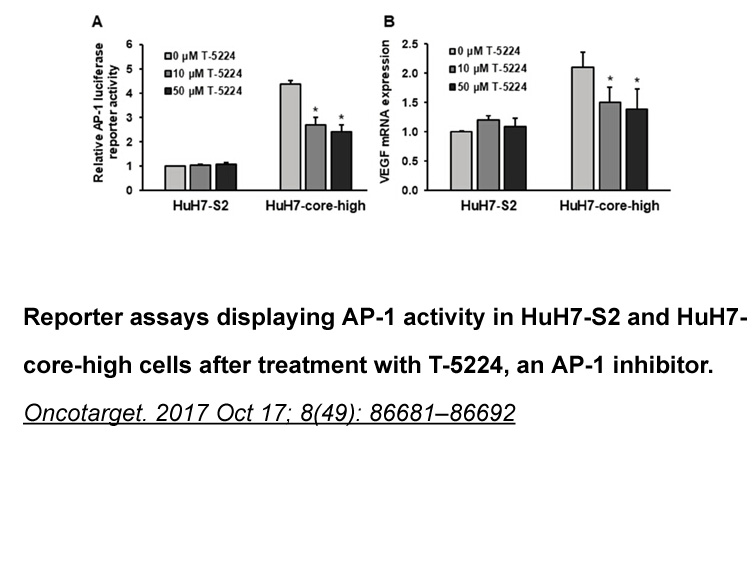
Materials and methods Results Discussion To understand the molecular basis for how ghrelin secretion is regulated at the cellular level, we identified the full repertoire of 7TM receptors and G proteins in gastric ghrelin Toremifene and functionally characterized the majority of the recept
-
His brother individual B II is months old He
2021-11-18
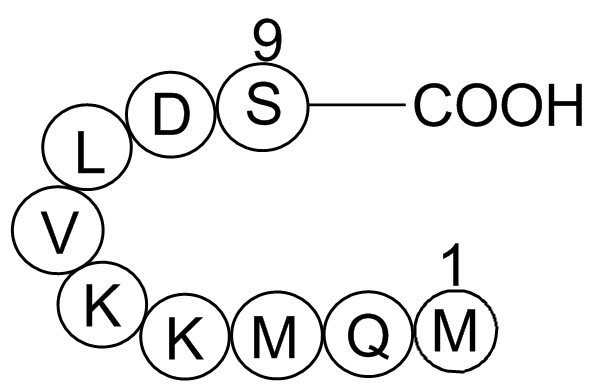
His brother, individual B.II-4, is 11 months old. He was born at term with intrauterine growth retardation. His birth weight was 2.2 kg (T (p. Arg176Trp) variant in SLC45A1 (GenBank: NM_001080397.1). This variant is very rare (MAF = 0.00001660 in the ExAC Browser) and predicted to be damaging by Pol
-
The chemical structure of BAs consists
2021-11-18
The chemical structure of BAs consists of a steroid nucleus with an acidic side chain. They are amphipatic molecules characterized by a hydrophilic α-face and a hydrophobic β-face. The hydrophobic pocket of the FXR LBD interacts with BAs largely through the β-face. The α-face contains several hydrox
-
Additionally to their peripheral effects evidence
2021-11-18

Additionally to their peripheral effects, evidence indicate a role for ETs in the central nervous system (Mosqueda-Garcı́a et al., 1993). Indeed, using Northern blot analysis and in situ hybridization it has been shown the presence of immunoreactive ET of non-vascular origin and of neuronal location
-
Piericidin A australia The even bigger surprise was the seco
2021-11-18
The even bigger surprise was the second feature of both structures. Interestingly, binding of the MRG domain hardly altered the conformation of the SET domain compared with its apo state (An et al., 2011). What did change, however, is the conformation of the ASH1L auto-inhibitory loop (Figure 1). De
-
Recently IL was also identified as an important mediator of
2021-11-18
Recently, IL-10 was also identified as an important mediator of collagen deposition in the development of HF [64,65]. It was shown, that this cytokine activates macrophages found in the hearts of mice suffering from diastolic dysfunction in the autocrine manner [64]. In response, specific subset of
-
NESS 0327 Cut proteins have five evolutionarily conserved do
2021-11-18
Cut proteins have five evolutionarily conserved domains. These include a homeodomain, three Cut repeats, and a coiled coil structure. The cut repeats, called CR1, CR2, and CR3, are composed of 70 amino acids, and, along with the homeodomain, are each capable of binding DNA. Mammalian cut proteins fu
-
Table shows the distribution of all studied groups regarding
2021-11-18
Table 3 shows the distribution of all studied groups regarding mutation of GSTP1 gene polymorphism in each group. From 15 COPD smoker patients in group (A), 12 (80%) had heterozygous mutation, from 15 COPD non-smoker patients in group (B), 5 (33.3%) had heterozygous mutation, from 10 control subject
16346 records 570/1090 page Previous Next First page 上5页 566567568569570 下5页 Last page